Winnipeg Homelessness Strategy Draws Attention and Caution from Support Services
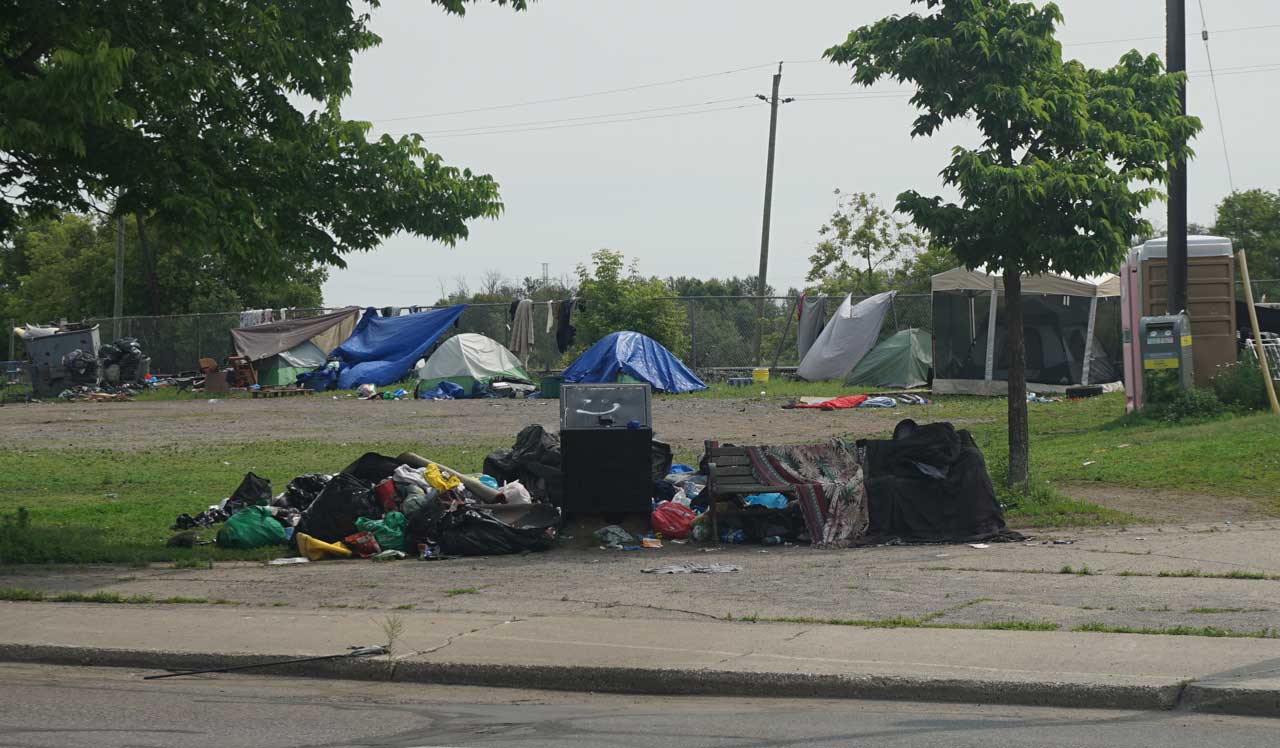
WINNIPEG — A Winnipeg city councillor is pushing to expand a proposed ban on homeless encampments in public areas by including major roadways, citing public safety concerns — but the move is drawing criticism from social service providers who say it addresses symptoms, not solutions.
Coun. Jeff Browaty intends to introduce an amendment in September to fellow Coun. Cindy Gilroy’s existing motion, which already aims to prohibit encampments near areas frequented by children, such as parks and community centres. Browaty’s proposed addition would extend that prohibition to thoroughfares such as Portage Avenue, Main Street, and Henderson Highway.
He argues the danger posed by encampments close to traffic is too great to ignore. “Residents worry someone will get hit,” Browaty said. “We can’t pretend this solves homelessness, but it could prevent a tragedy.”
Mayor Scott Gillingham expressed support for considering such restrictions, noting legal and logistical complexities around dismantling encampments. “It must be done safely and in a way that stands up legally,” he said.
Community Pushback: ‘Frustration Isn’t a Strategy’
However, advocates like Jamil Mahmood, executive director of the Main Street Project, caution the policy risks scattering encampments into harder-to-reach areas, endangering both those unhoused and outreach teams trying to assist them.
“Moving people doesn’t solve homelessness — it hides it,” Mahmood said, warning that further displacement could lead to more overdoses, and worsen the housing crisis.
Mahmood emphasized the need for a unified strategy involving all stakeholders, including non-profits, governments, and private housing providers. “We need a response that respects human dignity and creates real paths to housing,” he said.
Housing First: Private Landlords Called to Play a Role
Experts say long-term solutions require better coordination with landlords. Sam Tsemberis, founder of Pathways to Housing, called for more involvement from the private sector under Housing First principles — housing with wraparound supports.
Landlords like Avrom Charach, representing the Manitoba Professional Property Managers Association, are open to helping — under the right conditions. “If each of our 74 members took just two tenants, we could house hundreds,” he said, but added that reliable tenant support is key.
Thunder Bay Relevance: Policy Lessons and Cautionary Parallels
While this debate unfolds in Winnipeg, it raises pertinent questions for Thunder Bay and other cities grappling with growing homelessness and visible encampments.
The tension between public safety and compassionate response is familiar. Thunder Bay’s own housing shortage and increasing demand for mental health and addiction services mirror those of Winnipeg.
This Winnipeg motion serves as a case study: without sufficient housing options and outreach capacity, enforcement-based solutions risk pushing people further into danger.
A balanced, locally adapted model is needed — one that combines compassion, support services, and community safety.