Inheriting property is never just about paperwork—it’s about people, place, and sometimes, a profound legacy. But when that property sits on First Nations land, the situation calls for more than just a will and a real estate agent. It calls for care. The legal boundaries can be complex. The emotional stakes often run deep. And there’s an added layer of responsibility that comes with honoring Indigenous customs and community values.
Whether you’re a member of the Nation or not, if you’ve recently inherited land on First Nations territory, your next steps matter. The land isn’t just an asset—it might be part of a collective story, one that can’t be neatly divided or sold. The legal framework alone is different, as explained by Unbiased Options, but the bigger picture is even more layered: it’s cultural, historical, and, at times, deeply personal.
So, how do you handle inherited property in a way that’s legal, fair, and respectful? Let’s walk through it.
What Makes First Nations Inheritance So Unique?
Most property in Canada falls under the general rules of estate law. You pass away, a will is read, an executor distributes the assets, and that’s usually that. But land situated on First Nations territory doesn’t work quite the same way.
That’s because reserve land is not privately owned in the same sense as off-reserve land. It’s held by the Crown for the use and benefit of the Nation. This means that even if a family member lived on that land, built a home, or held a Certificate of Possession (CP), it doesn’t get passed on through typical property laws.
Inheritance on First Nations territory often follows:
- Customary laws of the Nation or Band
- Federal laws like the Indian Act
- Conditions attached to Certificates of Possession
- Community decisions, especially in small or tight-knit Nations
It’s this combination—government frameworks and Indigenous traditions—that makes each case different and often more nuanced than meets the eye.
Who Really Has the Right to the Land?
When a loved one passes, the first question people ask is: “Who inherits the land?” But on First Nations territory, the question is more like: “Who has the right to live on or use the land, according to the community?”
A will may name an heir, but if the property includes a CP, only a person registered under the Indian Act and a member of that Band may legally inherit it. If the heir is not eligible, the land might revert to the Band or be transferred to someone else within the Nation.
In many cases, the Band Council also has a say. They may:
- Approve or reject transfers of possession
- Consult with the community
- Consider how the land will be used in the future
That means heirs must often work both with federal authorities and Band administrators. It’s not just a transaction—it’s a conversation.
What Happens If There’s No Will?
This is where things can get tricky. If someone dies intestate (without a will), the estate is distributed according to the rules laid out in the Indian Act—or, in some cases, custom codes if the Nation has opted out of parts of the Act.
Under the Indian Act:
- The surviving spouse typically receives the family home and a portion of the estate.
- Children or other family members may share the rest.
- The Minister of Indigenous Services or a designated estate administrator handles the division of property.
However, without clear documentation or community consent, disputes can arise. And because many First Nations families share land across generations, it can be difficult to determine who “owns” what.
That’s why it’s so important to keep records and communicate clearly with family members long before inheritance becomes an issue.
Renting, Selling, or Transferring: What’s Allowed?
Let’s say you’ve inherited a home on First Nations territory and you want to rent it out or sell it. Can you?
Short answer: It depends.
Here’s a breakdown:
- Selling: You can’t sell reserve land to just anyone. If it’s a CP, you may be able to sell or transfer it—but only to another eligible Band member and with the approval of Indigenous Services Canada and possibly the Band Council.
- Renting: Leasing is often possible, but typically requires Band Council approval. There may be limits on lease duration or how rental income is managed.
- Transferring: If you want to pass it to another family member or community member, the process again must go through official channels—both Band and federal.
All of this is to ensure the land stays within the Nation and continues to serve its collective purpose.
What If You Don’t Want the Property?
It’s not uncommon for heirs—especially those who live far away or aren’t Band members—to feel overwhelmed by the responsibility. If that’s you, you’re not alone.
You have options:
- Refuse the inheritance: If managing the property doesn’t make sense, you can decline your interest in the estate.
- Gift or transfer it: You may be able to give the property to another eligible Band member.
- Work with the Band Council: They might help you find a suitable recipient who aligns with community needs.
There’s no shame in recognizing that you’re not the right person to manage inherited land—especially if your decision is based on respect for the community and culture it belongs to.
Community Ties Matter Just as Much as Paperwork
Legal documents are important. But on First Nations land, relationships can be just as powerful.
It’s common to find that land has been shared among families without formal CPs. Or that multiple relatives have lived on a parcel for decades, all contributing in some way. In these cases, a purely legal solution might create more tension than resolution.
Before making any major decisions, consider:
- Talking to elders or family members who understand the land’s history
- Consulting with the Band Council or land administrator
- Listening to community input when it comes to future use or ownership
In short: don’t rush. Take time to understand the bigger picture. The land likely means something more than square footage—it’s part of a legacy.
Common Pitfalls to Avoid
Mistakes happen when people approach inherited property like it’s just another transaction. Here are a few things to avoid:
- Assuming your will overrides community norms
It might not. Always check with the Band or Indigenous Services before acting on a will. - Ignoring the CP system
Not all property is treated equally. CPs come with very specific rules. - Disregarding communal use
Just because a house sits empty doesn’t mean it isn’t used by the community—for gathering, ceremony, or seasonal use. - Selling or leasing without approval
This can lead to disputes or legal action if done without proper permission.
Being proactive and asking the right questions early can save you from major headaches later.
Who Can Help?
You don’t have to figure this out alone. There are professionals who specialize in probate and property on First Nations territory—some of whom also have Indigenous heritage or deep community ties.
Here’s who you might consult:
- Estate lawyers with experience in Indigenous affairs
- Band Council land administrators
- Community elders who understand customary law
- Government estate administrators under Indigenous Services Canada
Getting a mix of legal and community input helps you avoid decisions that may be technically legal but socially divisive.
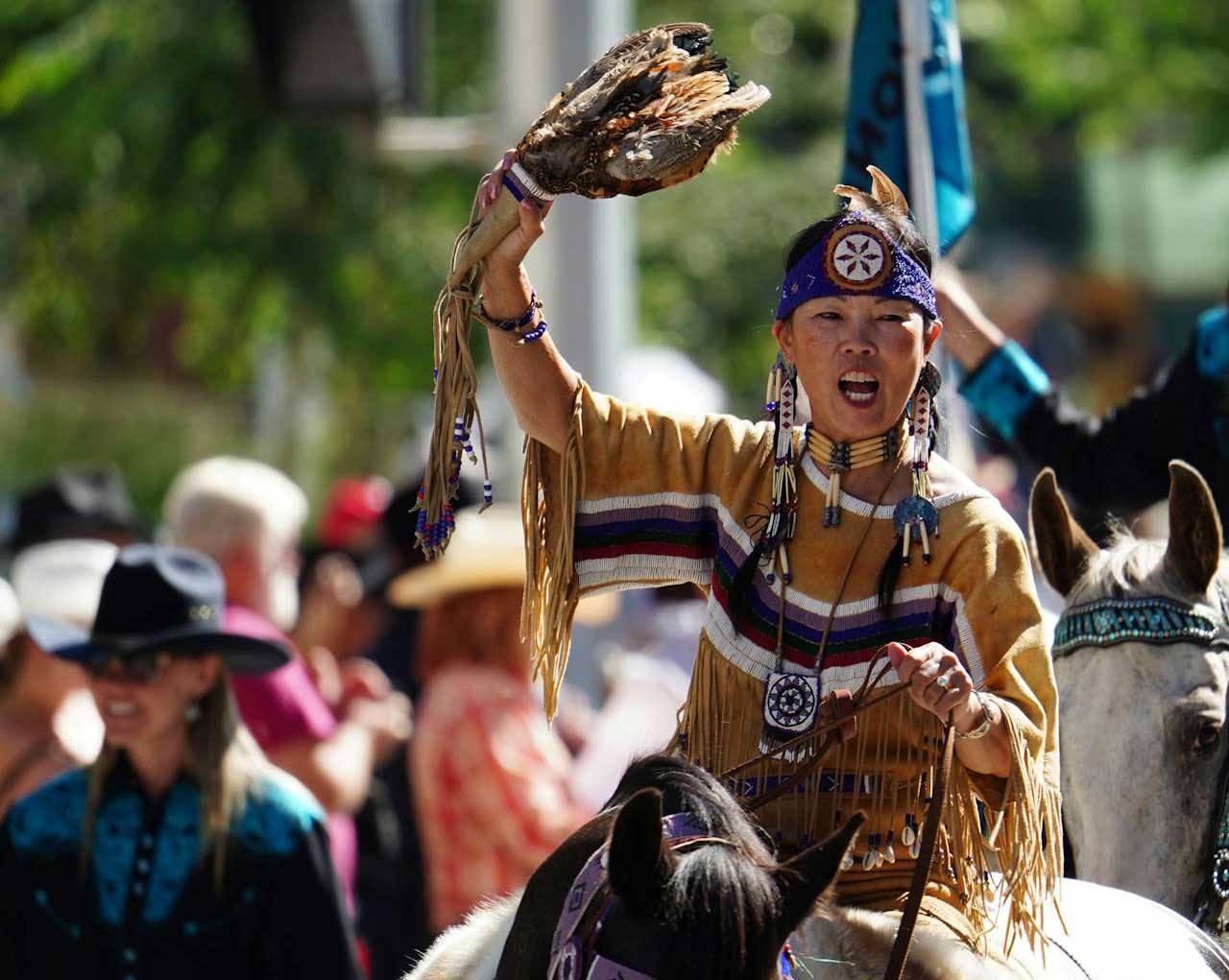
Photo by Dominique BOULAY from Pexels
Final Thoughts: Share the Land, Honor the Legacy
Inherited land on First Nations territory isn’t just a matter of ownership—it’s a matter of stewardship. Whether you plan to live there, gift it, or let it go, your role is more than transactional. It’s about listening, learning, and leaning into shared values.
Some heirs walk into this process expecting quick answers and clean lines. But the truth is, property in Indigenous communities doesn’t always follow the same rules. And maybe that’s a good thing. Because what’s being protected isn’t just real estate—it’s memory, tradition, and connection.
So take your time. Ask questions. Stay humble. And remember: when we talk about land on First Nations territory, we’re talking about something that was never really just “owned” in the first place. It was—and still is—shared.