Recent data shows that over 40% of major metropolitan areas in the United States have integrated artificial intelligence into their emergency response systems, resulting in a 25% faster dispatch time and a 30% reduction in false alarms. Moreover, real-time AI surveillance in select cities has decreased emergency response errors by roughly 15% year-over-year. Such compelling numbers underscore how critical and transformative AI has become in public safety infrastructure.
Furthermore, exploring the mechanisms through which cities are adopting AI technologies—ranging from predictive analytics to automated threat detection—to improve situational awareness, optimize resource allocation, and enhance coordination across agencies. Specifically, it examines the integration of machine learning in emergency call routing, AI-driven camera systems for faster threat identification, and advanced sensor networks. Finally, it outlines practical challenges, ethical considerations, and recommendations for scaling these technologies responsibly.
Enhancing Emergency Call Routing with AI
First, AI-enhanced dispatch systems use natural language processing to analyze 911 calls in real time. These systems identify keywords and voice patterns associated with urgency, enabling faster prioritization of high-risk incidents. As a result, dispatchers receive AI-suggested call classifications—violent crime, medical emergency, fire—within moments of a call arriving.
Next, automated suggestions for dispatch routes integrate live traffic and vehicle telemetry data. This reduces human error in estimating arrival time and ensures first responders take the fastest routes available. By continuously adjusting based on real-time updates, AI systems help avoid congestion and reroute around accidents, increasing efficiency and response speed.
Improving Situational Awareness via AI-Powered Cameras
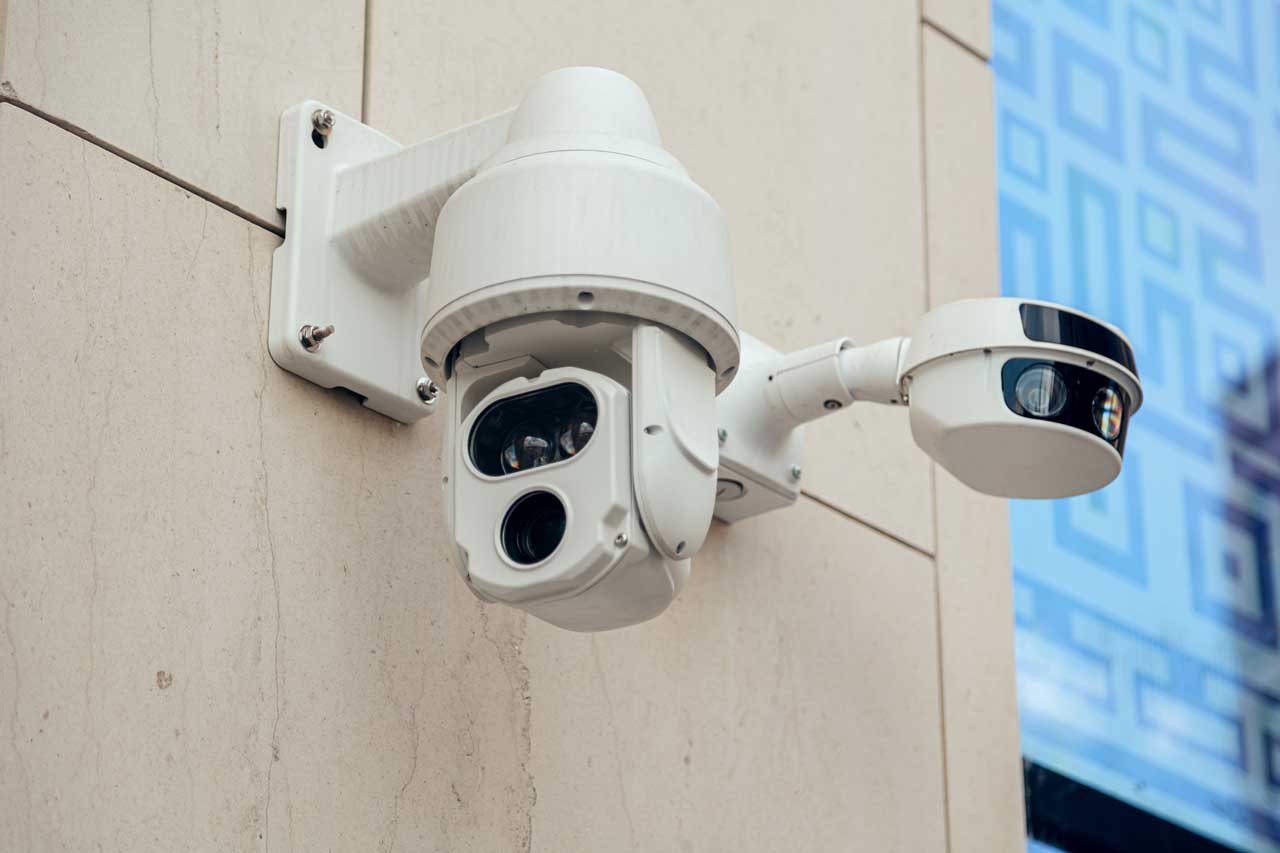
Additionally, many cities deploy AI cameras on streets, public buildings, and transit systems. These devices continuously analyze video feeds to detect anomalies such as unusual crowd gatherings, accidents, or suspicious behavior. When triggers are detected, alerts are immediately sent to emergency operation centers.
Moreover, some systems now include weapon detection system programming integrated into surveillance cameras. This specialization in real-time firearm recognition, instantly notifying authorities the moment a weapon enters view. As a result, police units can arrive faster, often before an incident escalates.
Predictive Analytics for Resource Deployment
Similarly, predictive analytics platforms leverage historical data—such as the time, location, and type of past incidents—to forecast where emergencies are likely to occur. These models optimize patrol routes and station placement to reduce response times, particularly in high-risk areas.
Consequently, fire departments, EMS crews, and police forces can pre-position resources based on AI-generated heat-maps. Sudden spikes in weather data or public events can also trigger dynamic reallocation, ensuring readiness during large crowds or severe weather events.
Integrating Sensor Networks with Smart Infrastructure
Furthermore, smart city sensors now include gunshot detection, air quality monitors, and acoustic sensors. When gunfire or explosive noise is recognized, the system triangulates the location and immediately alerts operators. This information is also shared with AI platforms to map out dangerous zones in real time.
In addition, sensors embedded in streetlights and manhole covers can detect hazardous gas leaks or structural damage. These signals are correlated with AI analytics to determine whether dispatching a hazmat team or public works crew is necessary.
Cross-Agency Coordination Through AI Dashboards
Then, emergency operation centers now feature integrated dashboards powered by AI. These platforms aggregate 911 calls, camera feeds, sensor data, and social media alerts into one interface. Using AI-driven prioritization, operators can see which incidents require immediate action or cross-agency collaboration.
Subsequently, the system’s incident management includes resource tracking down to individual responders. AI logs arrival times, equipment used, and resolution steps. These analytics help with post-incident review and continuous improvement.
Real-Time Language Translation and Barrier Removal
Also, AI systems include real-time translation services for calls in multiple languages. When a 911 caller speaks Spanish, Mandarin, or another less common language, the AI instantly translates their message for dispatchers. This ensures faster information gathering and reduces misunderstandings during critical moments.
Therefore, multilingual support decreases response delays and misdirected resources, particularly in diverse urban communities. Each time a non‑English call is processed without delay, lives are saved.
Ethical Considerations and Privacy Safeguards
However, the use of surveillance and real-time analytics raises legitimate concerns about privacy and potential bias. As a result, cities are implementing strict data governance policies. These include encrypted data storage, restricted access logs, and audit trails to ensure compliance with civil liberties.
Additionally, fair‑use algorithms are regularly reviewed to detect and correct bias in call prioritization or camera-based threat assessment. Community advisory boards often participate in these reviews to build trust and transparency in emergency AI deployments.
Challenges to Scalability and Integration
Admittedly, integrating AI technologies requires substantial infrastructure investment, including camera networks, sensor grids, and backend computational power. Training dispatchers and responders to trust and properly use AI-generated insights also demands time and effort.
Moreover, emergency systems must maintain functionality during power outages or cyber‑attacks. Therefore, redundancy measures—such as backup batteries and offline processing capabilities—are crucial to ensure reliability.
Examples of Cities Leading the Way
For instance, a major city in the U.S. uses AI-assisted license plate readers and acoustic gunshot detectors to reduce violent crime response time by 20%. Another European city’s traffic AI re‑routing helped EMS vehicles avoid rush‑hour gridlock, improving average arrival time by 40 seconds per incident. A Southeast Asian metropolis implemented AI translation and call routing systems that reduced multilingual call processing delay from 90 seconds to just 20 seconds.
FAQs
What is real‑time AI in emergency response?
It refers to machine learning systems that process incoming data—calls, video, sensor data—in real time, generating alerts, prioritizing incidents, and optimizing dispatch decisions.
Is privacy compromised when AI analyzes public spaces?
Cities use data encryption, limited access, and algorithmic bias checks to ensure systems respect privacy and civil rights while enabling timely emergency detection.
Can small cities implement AI tools affordably?
Yes, by starting with modest pilot projects—such as AI call routing or one camera with firearm detection—small municipalities can benefit without massive upfront cost.
Conclusion
AI-driven emergency response systems are proving to be transformative for modern cities. By integrating real‑time analytics, sensor networks, and predictive models, these technologies enhance situational awareness, improve resource use, and accelerate dispatch. However, successful implementation requires careful attention to ethics, privacy, and infrastructure resilience. With responsible deployment, AI promises safer, more responsive urban environments.
Key Takeaways
- Real-time AI accelerates emergency dispatch and reduces false alarms.
- Surveillance cameras, sensors, and smart infrastructure work together for faster threat detection.
- Predictive analytics help position resources proactively in high-risk areas.
- Ethical frameworks and community oversight ensure balanced use of technology.
- Scalable implementation begins with pilots and incremental expansion.