Thunder Bay Administration Pushes Forward with Miles Street Shelter Amidst Community Opposition
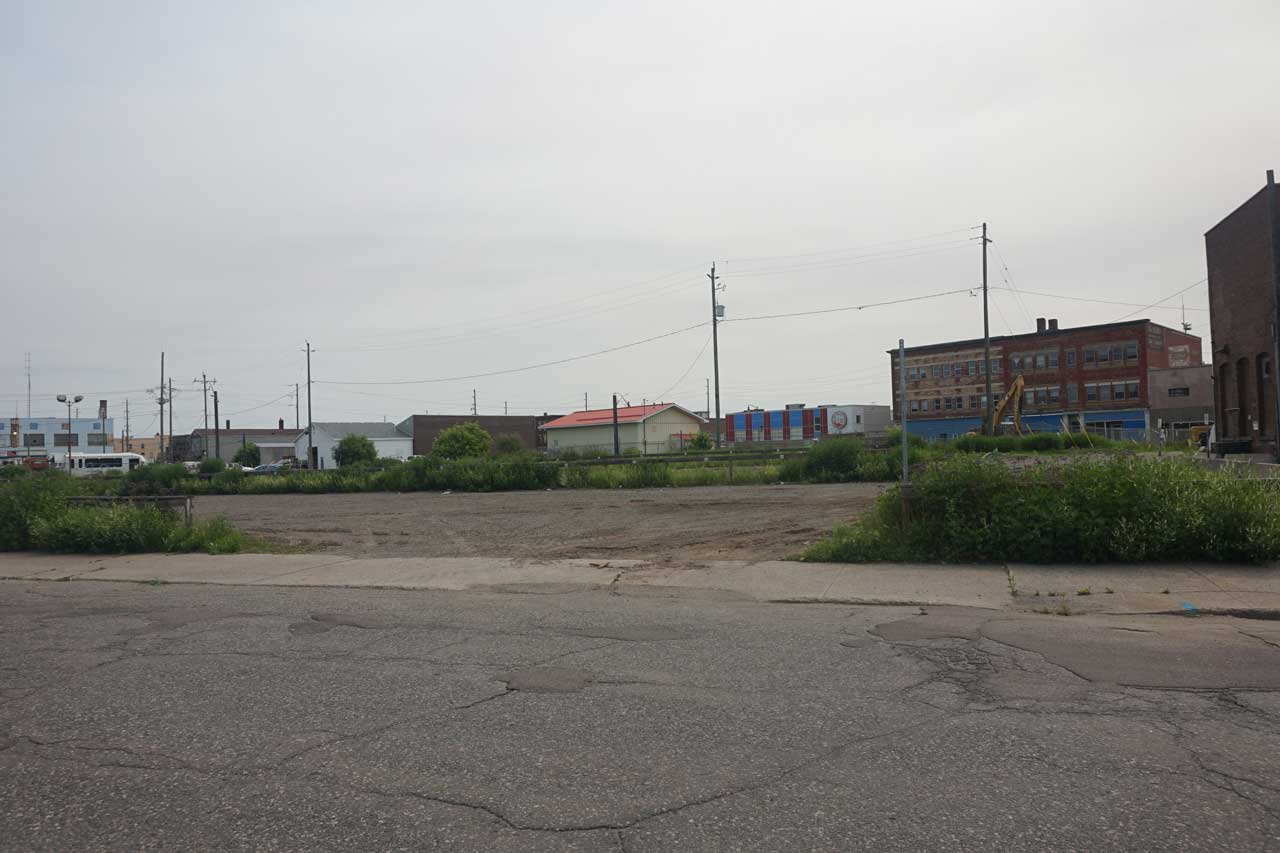
Thunder Bay, ON – The City of Thunder Bay Administration is moving to recommend 114 Miles Street East as the site for a Temporary Shelter Village, a decision that follows nearly two years of research and public input but continues to face strong opposition from some community members and a federal Member of Parliament.
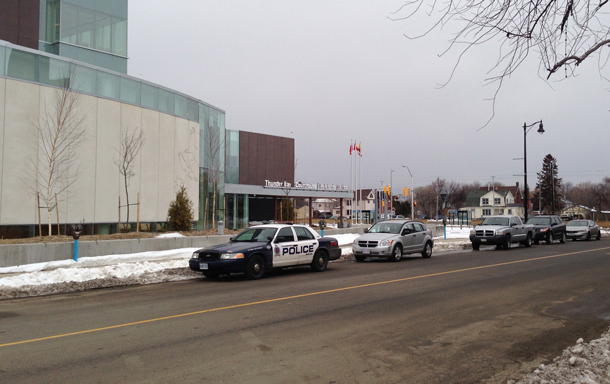
The move also comes as a glimmer of new hope is circulating in the Fort William Downtown. There are several new businesses looking at properties to open in what has often been an afterthought at the Council Chamber.
It is hoped by business and property owners in the downtown that that this decision will not be endorsed by Council on Monday night, as it could pour cold water on the plans by several entrepreneurs in the city.
The decision to propose the Miles Street location comes as a second view and push by City Manager John Collin and Admin.
This proposal involves clustering approximately 100 unhoused individuals in modular shed-like units in the Fort William downtown core.
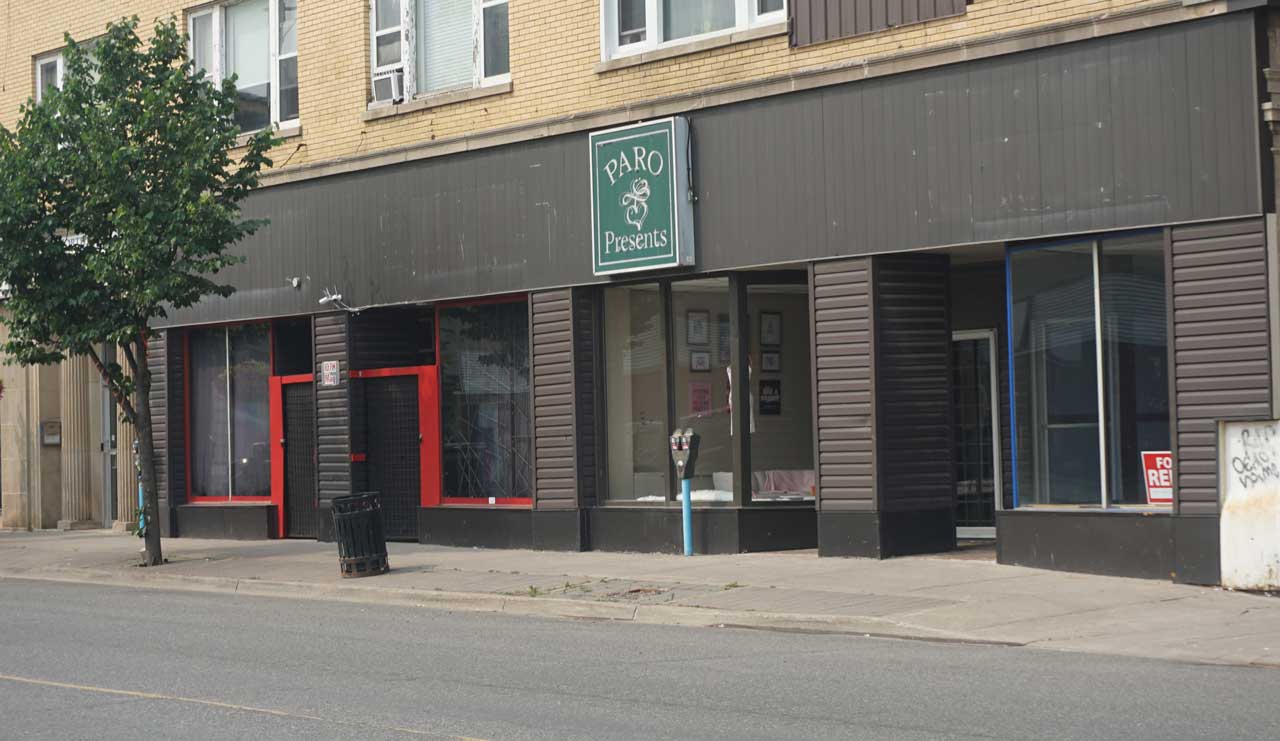
With the Victoriaville reconstruction underway, several business owners are hoping for the future as they struggle to hang on for now. Coming on the heels of the COVID-19 shutdowns and shift by many to online shopping, this proposal for the Miles Street location has many business owners frustrated.
City Councillors in the downtown Fort William neighbourhood have the option of being escorted to their vehicles after council meetings, something business owners do not have the luxury to do.
City Administration has not reportedly secured long-term funding for this proposal. Based on history, Admin is usually great at getting funding for projects, but lacks the follow up to ensure the upkeep and maintenance of those projects.
Background and Administration’s Rationale
The City’s decision is rooted in a human rights-based approach to encampments, endorsed by City Council in 2022, and an Enhanced Encampment Response Plan approved in April 2023. Administration states that after evaluating over 50 potential locations, Miles Street consistently emerged as the most suitable.
Key reasons cited by the Donald Street Administration for the Miles Street site include:
•Cost Efficiency: Estimated project costs are $4–$4.5 million, which is below the initial budget. The City Council approved a budget of $5 million for construction in early 2025, with $2.8 million secured in external funding.
•Service Proximity: The site is within walking distance of over 14 social, health, and housing support services, as well as a transit hub.
•Safety: Identified by a Crime Prevention Through Environmental Design professional as the preferred site, posing the least risk to residents due to visibility, access, and emergency response, according to the Thunder Bay Police Service.
•Land Use Compatibility: The area is already zoned for emergency shelter use, aligning with the City’s Official Plan and Zoning By-Law.
•Public Support: The site reportedly ranked highest in two separate community engagement surveys.
•Construction Readiness: No major environmental unknowns, with site remediation budgeted and feasible within project timelines. Construction is targeted to begin in August to meet specific funding deadlines, requiring 40 units by December 15, 2025, and all remaining units by February 27, 2026, to avoid forfeiting the $2.8 million grant.
•Downtown Revitalization: The project is seen by the City as complementing efforts to reduce encampments, improve cleanliness, and support long-term planning in the South Core.
Rilee Willianen, Encampment Response Lead, emphasized that the Village is a temporary, supported alternative to encampments, providing heated sleeping cabins, shared washrooms, meals, and 24/7 staffing to help individuals stabilize and connect to services and housing through partners like the District of Thunder Bay Social Services Administration Board.
The Administration also addressed concerns about the site’s heat, noting units will be insulated and include heating and air conditioning, along with trees, landscaping, and shade structures.
Manageable environmental issues are also planned to be addressed within the project’s budget.
Proactive measures to address community concerns include:
•Creating a Neighbourhood Liaison Committee.
•Providing $125,000 annually to the Fort William Business Improvement Area (BIA) for cleanliness and security.
•Allocating $50,000 in the City’s budget for additional maintenance and beautification in the South Core.
•Installing new “Eye on the Street” cameras.
•Removing 142 Simpson Street from future recognized encampment zones.
Community and Political Opposition
Mayor Ken Boshcoff told NetNewsLedger in an email that this issue is representing over 90 per cent of the calls to his office.
Frankly put, many people are looking at the City of Thunder Bay’s approach of “Rights Plus” for the homeless as insulting to homeowners and taxpayers.
Despite the Administration’s rationale, the proposal faces significant pushback, particularly from local business owners and the federal Member of Parliament for the area. Lori Paras, a business owner and Fort William BIA Member, expressed deep concerns in her letter, calling the proposal “inadequate, inequitable, and disrespectful“.
She shared her disappointment that it was “disheartening to fight this plan last year and see it shelved, only to have it resurrected now,” adding that forcing local business owners to repeatedly defend their community from the same flawed idea is “frustrating and disrespectful,” especially when small businesses are already struggling.
The ward councillor, Brian Hamilton who chairs the TBDSSAB Board has been supportive of the plan, however has been concerned over the number of the home sheds.
Key points of opposition include:
Fairness and Equity: Critics argue that placing the entire Temporary Shelter Village in the south core perpetuates imbalance and stigmatizes Fort William, which already “bears the brunt of urban decline” compared to Port Arthur’s revitalization.
MP Dr. Marcus Powlowski stated it is “patently unfair for the government to ask the owners of businesses and homes in the downtown south core to bear the costs of the homelessness crisis,” suggesting solutions should be shared citywide.
Lori Paras highlighted that this approach “perpetuates this imbalance, stigmatizing our area further and placing an undue burden on its residents and businesses.”
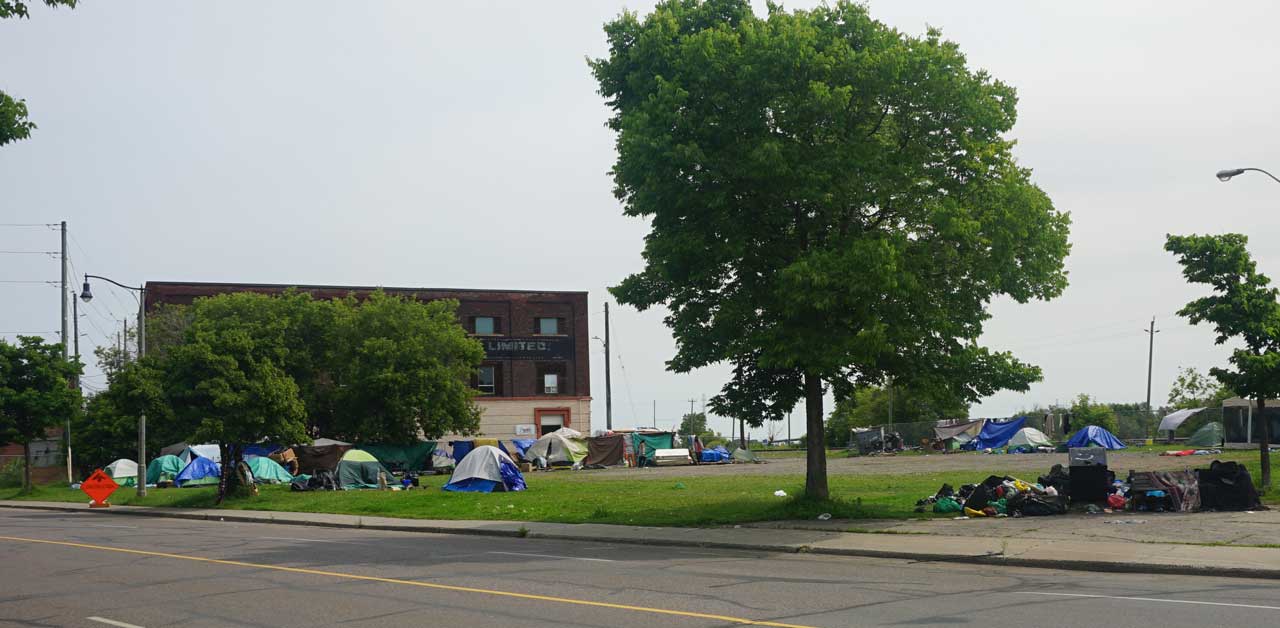
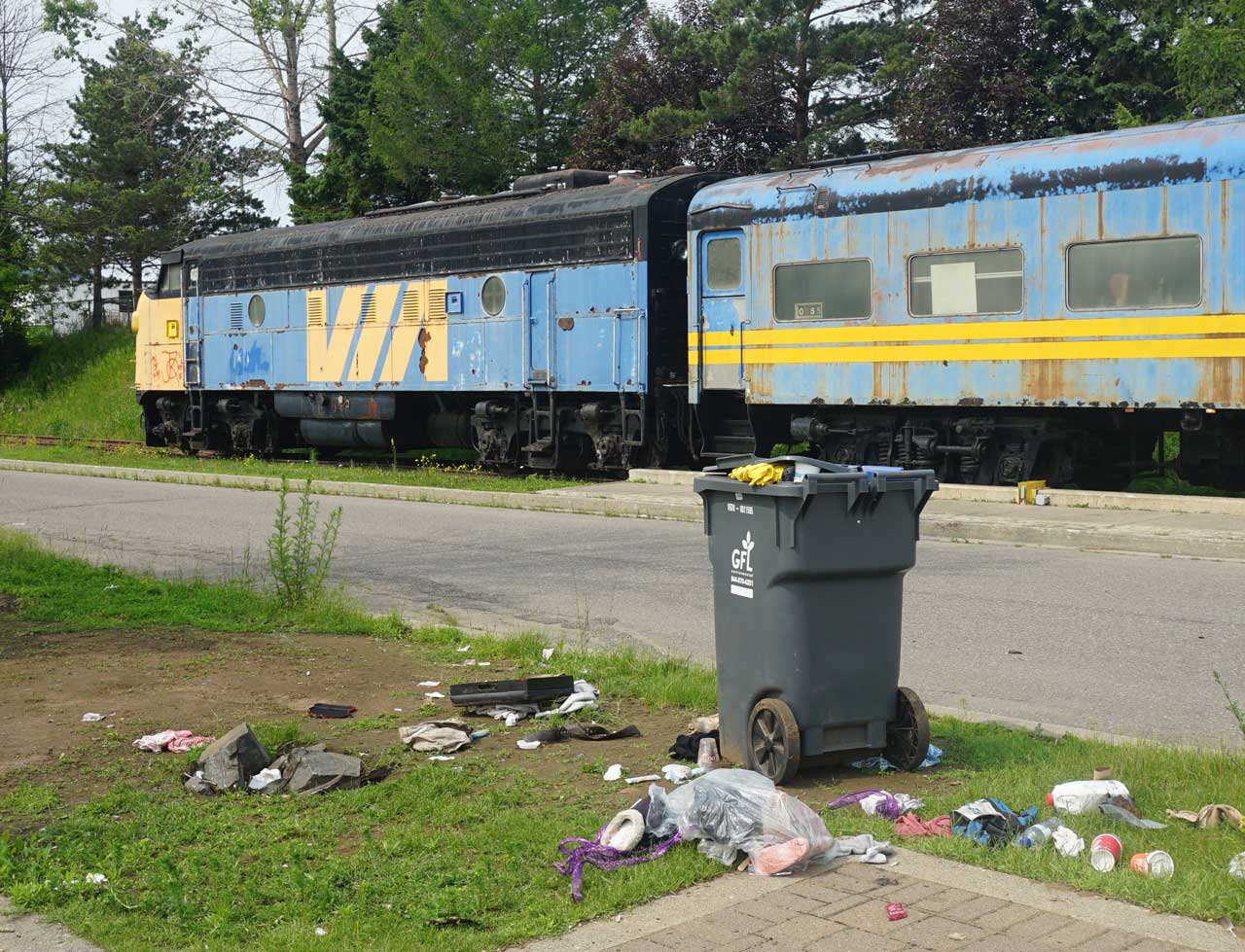
Lack of Exit Strategy and Permanence: Opponents worry that despite being labeled “temporary,” the village could become a “semi-permanent fixture,” draining resources without a clear plan for residents to transition into permanent housing.
Lori Paras states there is “no concrete plan for how or when the residents of the village would transition into permanent housing,” and expresses concern that “five years from now, we will still have a cluster of small cabins on Miles Street, with the same folks stuck in limbo – and $5 million (or more) spent on infrastructure that does not actually solve homelessness.”
Dr. Powlowski also criticized the plan for its “lack of an exit strategy.”
Inadequate Accommodation: Concerns were raised that the modular cabins are “rudimentary,” offering “bare-bones shelter” that falls short of the dignity unhoused individuals deserve, especially when compared to models like Nova Scotia’s fully equipped tiny home community.
Lori Paras explicitly asks, “We must ask ourselves if replicating such Spartan conditions in Thunder Bay’s downtown is the best we can do.”
She added that “A cluster of sheds crammed into a parking lot, surrounded by fencing and cameras, is a far cry from a dignified living environment or a real pathway off the streets.”
By contrast, Nova Scotia’s units offer private bathrooms, kitchens, and access to support services, with tenants paying rent capped at 30% of their income.
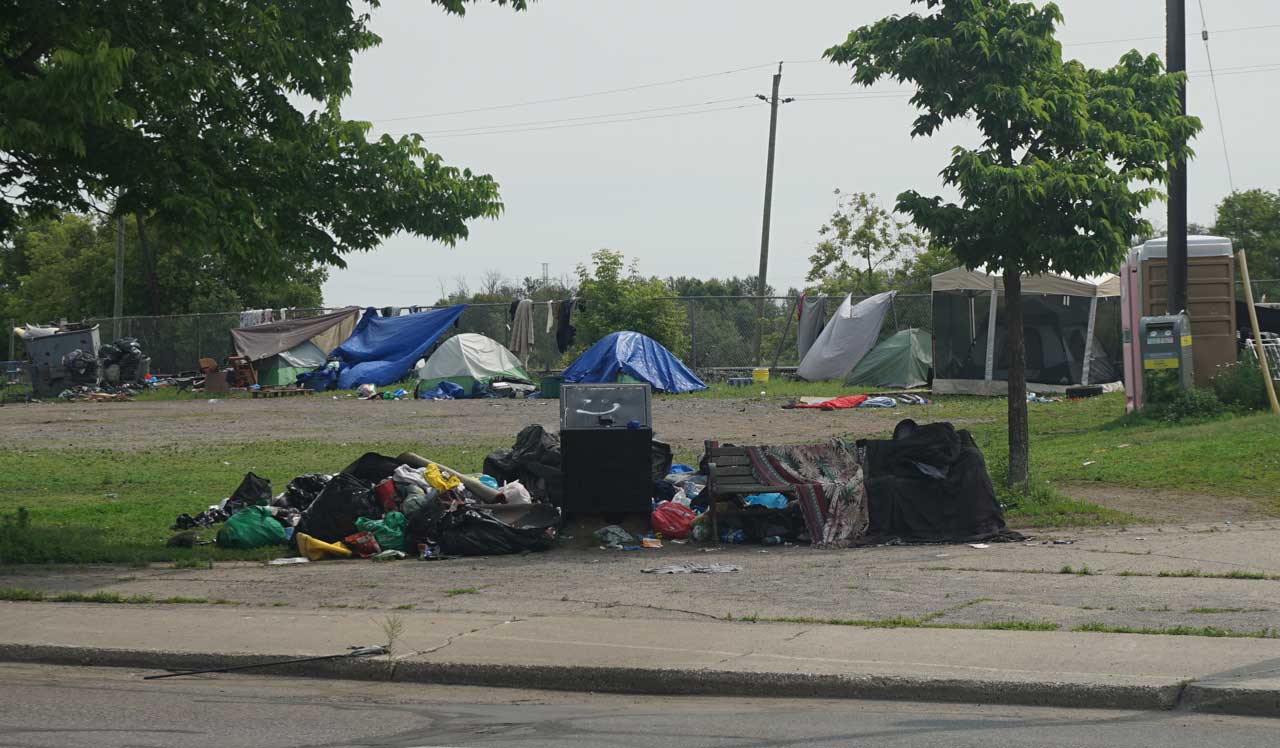
Negative Impact on Commerce: Business owners fear that a large, institutional shelter camp in the business district will negatively affect commerce and reputation, leading to increases in loitering, garbage, and potentially crime.
The City’s proposed annual contribution of $125,000 to the BIA for security and cleanliness implicitly acknowledges these potential strains. The reality people are telling NetNewsLedger is that “no business district wants to become ground zero for a managed encampment, even with extra cleanup money,” and business owners are warning that placing such a facility undermines revitalization efforts by sending a message that the “south core is a containment zone for social problems, rather than a vibrant part of the city.”
Erosion of Trust: Lori Paras highlighted that the Miles Street location was initially rejected by Council in November, and bringing it back “against vehement community opposition” would “erode trust between City Hall and the very citizens it purports to help.”
She found it “extremely disappointing to see the process circle back to the same spot we objected to, almost as if our input meant nothing.”
Federal Opposition and Council Procedure
MP Marcus Powlowski reiterated his “unequivocal opposition” to the Miles Street site, stating he would “continue to vigorously oppose any federal funding” for the project at this location.
He had previously suggested using “unused or neutral land” in the intercity area as a better alternative.
For the City Council to proceed with the Miles Street site after its earlier rejection, it would need to rescind the previous decision. Under Thunder Bay’s Procedural By-law, overturning or rescinding a previously ratified council decision requires a two-thirds majority vote.
The City Administration confirmed that recommending Miles Street again is in response to Council’s direction at a June 23, 2025, meeting, where Council reversed an earlier decision to use Kam River Park for the Village.
Administration according to unnamed sources inside City Hall who are not authorized to comment, report Admin is rushing to meet a funding deadline, and that rather than finding the most equitable solution is driving the decision making process.
The debate surrounding the Miles Street Temporary Shelter Village highlights the complex challenge of addressing homelessness while balancing community concerns and economic revitalization efforts in Thunder Bay.
Unanswered Questions
1. Why is the City of Thunder Bay embarking on this when there are organizations with more experience and proven results dealing with addiction and homelessness?
2. What is the Exit Strategy for this Homeless Encampment?
3. Where is the funding for future years of this project going to come from?
4. Why has the city not followed plans of other cities where reducing homelessness is working?
5. Why is the city not lobbying more effectively for added Detox and Treatment centres for drug and alcohol addiction?
Right now City Councillors need to hear what you want. You can reach them via: https://www.thunderbay.ca/en/city-hall/Mayor-and-Council-Profiles.aspx