FBI links the $6.3-billion Binance theft to North Korea as the exchange begins restoring withdrawals
The cryptocurrency exchange has begun restoring withdrawals as investigators track assets stolen across multiple blockchains
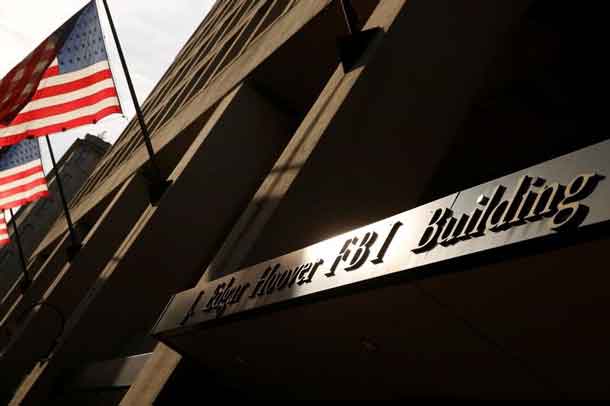
WASHINGTON – The FBI says North Korea was responsible for stealing more than US$6 billion in digital assets from Binance, turning the largest known cryptocurrency theft into a national-security investigation.
The bureau attributed the Oct. 29 attack to TraderTraitor, a North Korean cyber operation previously linked to the US$1.5-billion theft from Bybit in 2025. It urged exchanges, blockchain companies and decentralized-finance services to block transactions involving identified cryptocurrency addresses.
Binance estimates the loss at approximately US$6.3 billion. The exchange began restoring withdrawals in phases Sunday after suspending them while it contained the attack and reviewed its infrastructure.
A compromised laptop and signing systems under scrutiny
Binance initially said a compromised laptop used by a DevOps engineer may have allowed an attacker to enter a service container and submit unauthorized withdrawals.
The company said it had not found evidence that wallet private keys were exposed. A complete root cause has not been established publicly, however, and Binance has promised a post-incident report when its investigation is finished.
Blockchain intelligence firm TRM Labs said about US$6.36 billion moved from Binance wallets across 10 blockchains, most of it during a 20-minute period. TRM identified advance preparation and transaction patterns resembling earlier North Korean operations.
The FBI attribution moves that assessment beyond the private sector, although the bureau has not publicly described all the intelligence supporting its conclusion.
Withdrawals resume while Binance replaces assets
Binance said Sunday that it had replenished approximately 95 per cent of the affected assets using corporate funds, part of its Secure Asset Fund for Users and excess money from its futures insurance fund.
Bitcoin, ether and several heavily traded stablecoins and tokens were fully backed, the company said. Less-liquid assets accounted for the remaining shortfall.
The first withdrawal phase covers major networks including Bitcoin, Ethereum, BNB Smart Chain, Solana, XRP, Polygon and Arbitrum. Binance warned that processing delays could continue as more networks return.
The exchange’s reserve statements and reimbursement figures are company claims that still require independent scrutiny. A reserve snapshot can demonstrate control of assets at a particular time, but it does not by itself provide a complete audit of liabilities, security controls or related-party obligations.
What Canadian cryptocurrency holders should know
Binance does not appear on the Canadian Securities Administrators’ current list of platforms authorized to do business with Canadians. The CSA advises people who choose to trade crypto assets to use platforms registered with provincial or territorial regulators.
The breach nevertheless matters to Canadians because it exposed the concentration of assets and operational access inside a major global exchange. It also showed how quickly a compromise of internal infrastructure can overcome controls intended to protect multiple wallets.
Canadian users of any cryptocurrency platform should confirm its registration, enable strong multi-factor authentication and treat unsolicited “recovery” messages as potential scams. Binance says it will provide service updates only through official channels. Genuine support staff should never need a wallet seed phrase or private key.
Bitcoin traded at approximately US$77,900 at 6 a.m. ET on Nov. 1, according to live market data. Cryptocurrency prices vary among exchanges and can change rapidly.