Fort William First Nation drug alert urges caution. Find safety advice and addiction treatment contacts for Fort William First Nation and Thunder Bay
FORT WILLIAM FIRST NATION — The Anishinabek Police Service has issued a drug alert following reports of two suspected drug poisonings in a five-day period.
Police are concerned that a more potent substance may be circulating in the community. The exact cause remains unknown. Unregulated drugs can contain unexpected substances, making their strength and effects difficult to predict.
The safety advice also deserves attention in the City of Thunder Bay. The Thunder Bay District Health Unit warns that the district has a toxic unregulated drug supply, with drugs sometimes mixed with opioids or other substances without the person using them knowing.
Police are urging people who use drugs, and those around them, to take these precautions:
- Use with someone you trust and take turns. Someone needs to be able to recognize an emergency and call for help.
- Make a safety plan if you are alone. Tell someone beforehand, arrange check-ins and consider contacting the National Overdose Response Service before using.
- Avoid mixing substances, including alcohol.
- Start low and go slow. The contents of unregulated drugs are unpredictable, and even a small amount can be dangerous.
- Carry naloxone and know how to use it. Consider carrying multiple doses.
Call 9-1-1 immediately for a suspected drug poisoning, even if naloxone has already been given. Naloxone temporarily reverses opioid overdoses. Give it if an opioid overdose is suspected, follow the dispatcher’s instructions and stay with the person. Anishinabek Police Service says its frontline officers carry naloxone and want to help.
The Good Samaritan Drug Overdose Act protects against simple drug possession charges when evidence comes from seeking emergency help or remaining at the scene. It covers the person seeking help, the person experiencing the overdose and others present when help arrives. Certain breaches of conditions related to simple possession are also covered. These protections do not cover outstanding warrants, trafficking or other unrelated offences.
Free naloxone kits are available through participating pharmacies. The health unit’s Superior Points Harm Reduction Program also offers free nasal naloxone kits and overdose awareness training. Call 807-621-7861 or 1-888-294-6630.
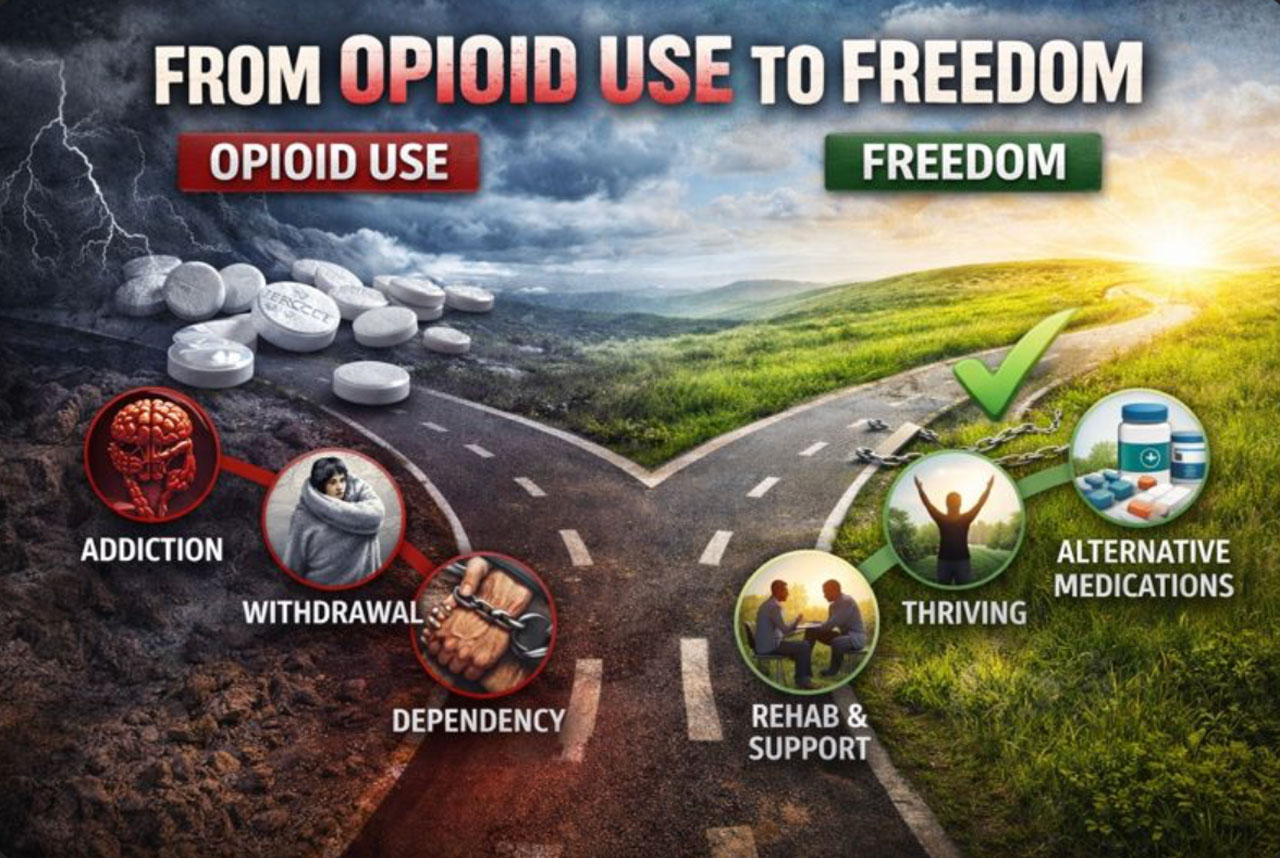
For people who want to stop using drugs, an addiction assessment, medical help with withdrawal and ongoing support can provide a path toward recovery. Services in Thunder Bay and Fort William First Nation can help with those first steps.
Start by telling someone you want help. Choose a trusted person who supports your recovery. You could say: “I want to stop using, and I need help getting treatment.” Ask them to sit with you while you call a service or attend your first appointment.
One place to begin is the Rapid Access Addictions Medicine (RAAM) service at 807-626-8478. People aged 16 and older can get free assessments, counselling and referrals, and clinicians can prescribe addiction medications. Self-referrals and walk-ins are accepted. Sites include NorWest Community Health Centres at 525 Simpson Street and Dilico at 200 Anemki Place. Call to confirm the location and clinic hours.
Get medical advice about withdrawal. Tell the clinician what you use, how often, when you last used and about any alcohol or medications you take. If you drink heavily or use benzodiazepines regularly, do not stop suddenly without medical advice. Withdrawal can cause seizures and other serious complications. Call 9-1-1 for a seizure or severe confusion.
Ask about treatment for cravings. For opioid addiction, medications such as buprenorphine or methadone can reduce cravings, manage withdrawal and lower overdose risk. A clinician should choose and supervise treatment. Medication can be part of long-term recovery, alongside counselling and support.
Plan for care after withdrawal. Ask about individual counselling, group support, outpatient care or residential treatment, depending on your needs. Include help for depression, anxiety, trauma or chronic pain where relevant. Before leaving a program, arrange the next appointment. If treatment has a wait, ask what support is available meanwhile.
Make a practical plan for each day. Work with your counsellor or support person on steps such as:
- Arrange transportation, childcare and a safe place to stay so you can attend treatment.
- Identify people, places and situations that trigger cravings, and plan how to handle them.
- Write down who you will call and where you can go when an urge to use becomes strong.
- Build a routine around meals, sleep, appointments and activities with people who support your recovery.
Indigenous people who want cultural support can ask about Elders, traditional healing and community connections as part of their care. NorWest’s RAAM service lists access to traditional healers and Indigenous cultural support.
These services can help you find treatment or take the next step:
| Service | How it can help | Contact |
|---|---|---|
| ConnexOntario | Free, confidential treatment information and referrals, 24/7. | 1-866-531-2600; text CONNEX to 247247. |
| St. Joseph’s Withdrawal Management | Free, medically supported withdrawal care at 500 Oliver Road for ages 16+. Open 24/7; admission depends on screening and bed availability. | 807-623-6515. |
| Sister Margaret Smith Centre | Information about adult addiction counselling and treatment options, including live-in care. | 807-684-5100, |
| Fort William First Nation Addictions and Wellness | Help for community members with treatment referrals, counselling and aftercare. | 807-622-8802, ext. 207. |
If you return to using, reconnect with treatment promptly. A return to use can mean the care plan needs adjustment; it does not erase your progress. Be honest with your provider about what happened. After time away from opioids, tolerance falls, increasing overdose risk if you use again.
For people who would otherwise use alone, the National Overdose Response Service at 1-888-688-6677 provides free, confidential support, 24/7. Call or text before using.